What Is a Fixed Asset Audit?
A fixed asset audit is a deep dive into everything your business owns—like equipment, machines, vehicles, and property. It’s about making sure your records match reality.
Here’s what it checks:
- Existence: Is the asset really there, or just on paper?
- Location: Where is it? Is it where it’s supposed to be? Who’s using it?
- Condition: Is it working? Damaged? Obsolete?
- Valuation: Is the number in your books still right after depreciation?
- Compliance: Are you following the latest accounting rules and tax laws?
Why Fixed Asset Compliance Matters Post-Corporate Tax
With UAE Corporate Tax now in place, how you manage and record your fixed assets can directly affect your taxable income.
Why? Because:
- Asset valuation influences your reported profits
- Depreciation methods affect annual deductions
- Misclassification can lead to overstated or understated income
If your records are inaccurate or outdated, it could mean:
- You’re paying more tax than you should, or
- You’re underpaying—putting you at risk of penalties or audits
In short, poor asset compliance = incorrect taxable base = financial exposure.
Getting it right isn’t just good accounting. It’s a tax compliance essential in the post-corporate tax era. Fixed assets management services are a must.
10 Warning Signs Explained
As the UAE implements Corporate Tax, fixed asset compliance has moved from a best practice to a regulatory necessity. Poorly managed asset records can distort your tax base and invite unwanted scrutiny. Below are 10 key red flags to watch for—each one a signal that your business might be at risk.
1. Outdated or Non-Existent Fixed Asset Register
Your fixed asset register is the foundation of compliance. It tracks the value, location, usage, and depreciation of all assets. If it’s missing, incomplete, or last updated years ago, your financials likely misrepresent reality.
That misrepresentation can affect your depreciation claims—and by extension, your taxable income. A clean, updated register ensures transparency, traceability, and audit readiness.
Strategic Benefits of Conducting a Compliance Audit
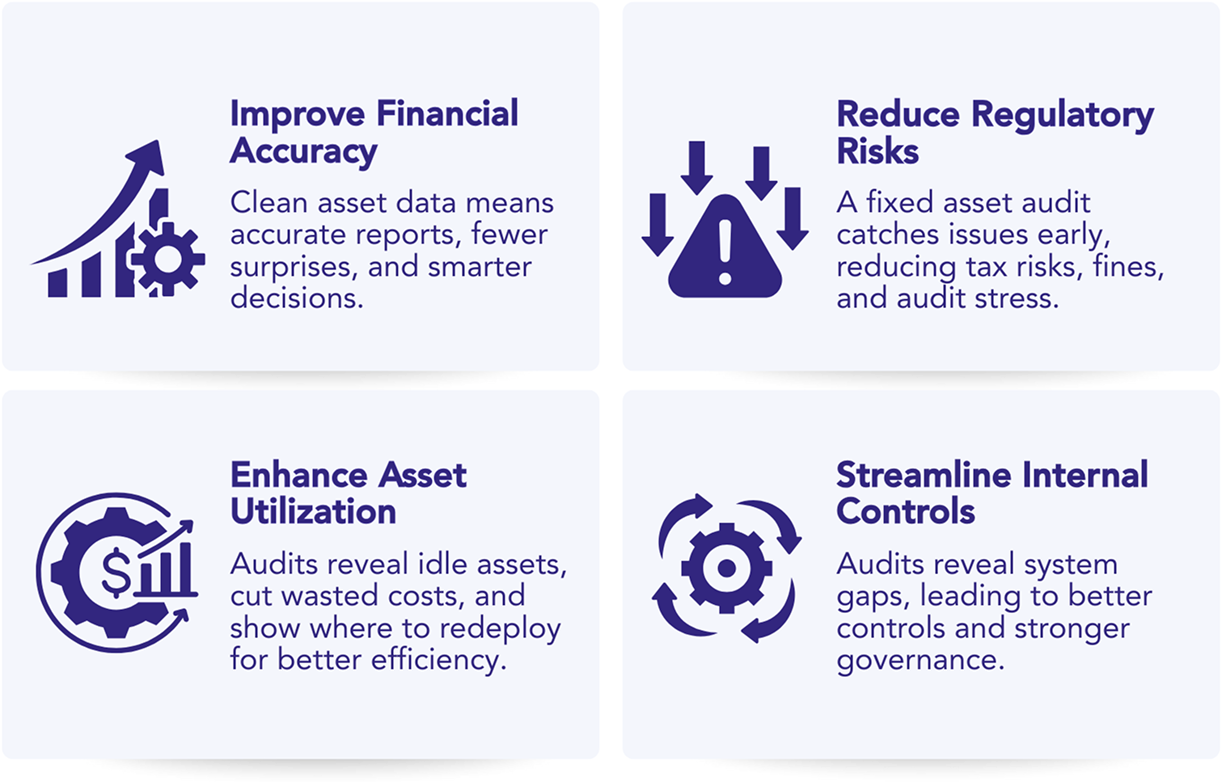
Conducting a fixed asset compliance audit isn’t just about ticking a tax box. It’s a smart business move that brings multiple benefits—especially now that UAE Corporate Tax is in effect. Hiring fixed asset management services is extremely important for businesses in the UAE.
Improve Financial Accuracy
When your asset records are clean, your financial reports are accurate. That means no overstatement of profits, no hidden liabilities, and no surprises during audits. Clean data leads to better decision-making and smoother tax filings.
Reduce Regulatory Risks
Non-compliance with Corporate Tax rules can lead to fines, penalties, or even audits. A fixed asset audit helps you find and fix issues early—before the tax authority does. You stay on the safe side, with less exposure and more peace of mind.
How ADEPTS Can Help
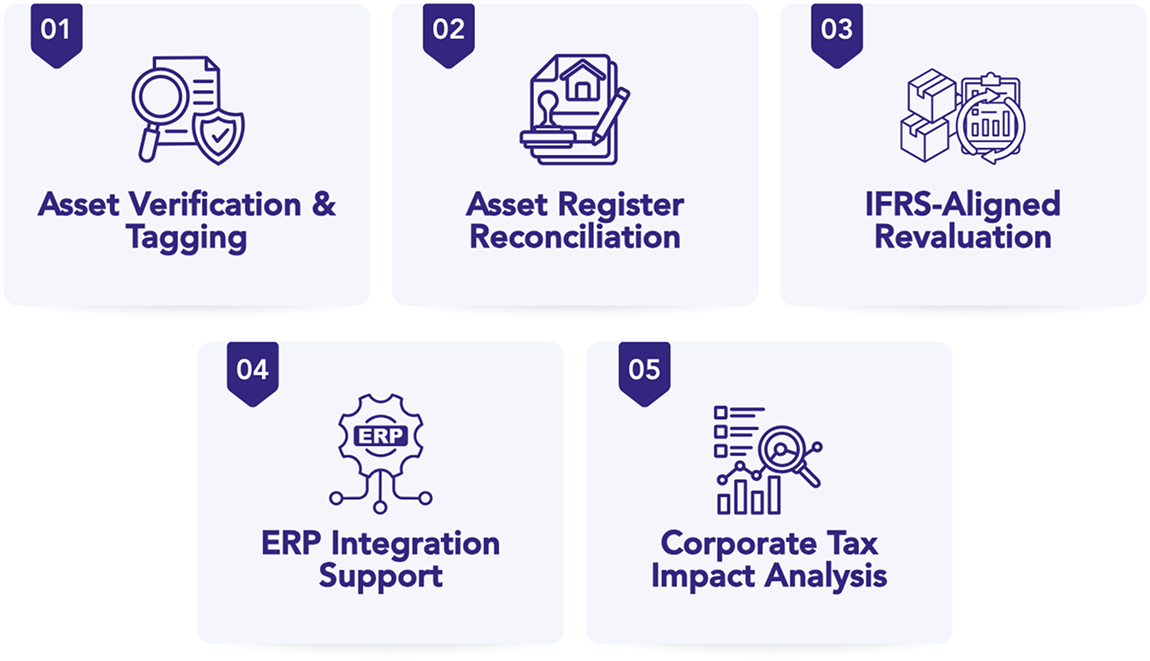
When it comes to fixed asset compliance, you don’t have to do it alone. ADEPTS Chartered Accountants offers hands-on support to make sure your business is compliant, audit-ready, and optimized for UAE Corporate Tax.
Asset Verification & Tagging
We conduct physical checks of your assets, tag them properly, and update your records. No more guessing what’s on the ground. You’ll know exactly what you own and where it is.
Asset Register Reconciliation
Our team compares your books with your actual assets. We fix mismatches, clean outdated entries, and make sure your register is complete and accurate—ready for audits and tax reporting.
Frequently Asked Questions
- Asset registers
- Physical existence of assets
- Valuation and depreciation methods
- Proper classification
- Supporting documents for purchases and disposals